
How can homeowners in Abu Dhabi avoid expensive home repairs? The honest answer is less dramatic than most people expect: catch small problems early, stick to a preventive maintenance schedule, and service your home’s major systems on a regular basis instead of waiting for them to fail.
That’s really it, whether you’re talking about villa maintenance or apartment maintenance in Abu Dhabi. Abu Dhabi Municipality takes this approach to property maintenance seriously too; it links early fault detection directly to lower costs on major repairs, equipment replacement, and emergency maintenance. Here’s what that looks like in practice.
1. Stop Waiting for Things to Break
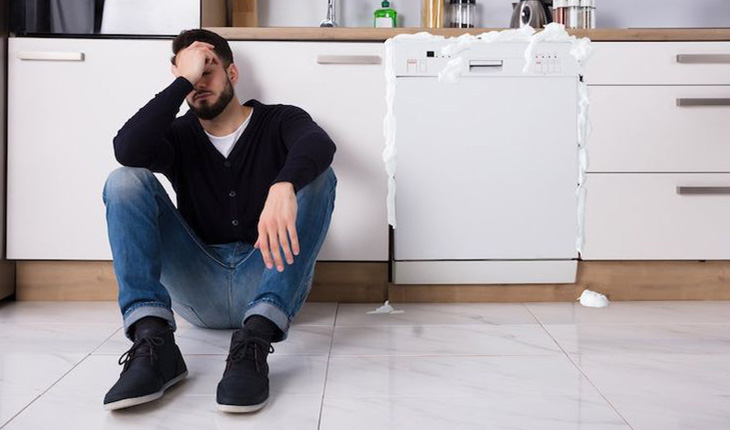
The most expensive habit a homeowner can have is “I’ll fix it when it breaks.” A small issue rarely stays small. A minor AC glitch turns into poor performance, then repeated strain, then a failed compressor. A tiny water leak turns into damp walls, then ceiling damage, then a full repair job. A small electrical fault can quietly overheat before it becomes something bigger. Preventive maintenance beats reactive maintenance every time; Abu Dhabi Municipality itself recommends scheduled preventive work for both the interior and exterior of a property, rather than fixing things only once they’ve already failed.
2. Keep Up with AC Maintenance
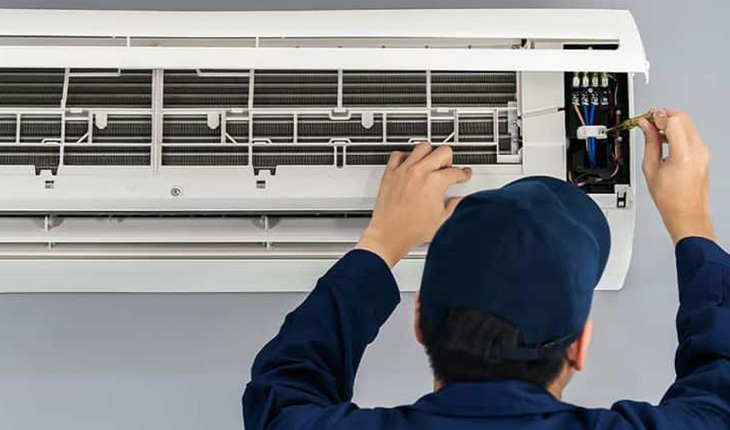
Your AC is arguably the hardest-working system in an Abu Dhabi home, especially through the summer, so it’s not one to leave until it stops cooling altogether. Regular checks tend to catch dirty filters, weak airflow, drainage issues, refrigerant problems, and electrical faults inside the unit before they turn into a full breakdown. Not every fault can be prevented, but routine servicing catches many of them early. Abu Dhabi Municipality connects preventive maintenance directly to longer equipment lifespans, better efficiency, and lower energy use. With electricity demand rising every summer as the heat pushes households to rely on it more, keeping AC systems in good shape matters even more here than in milder climates.
3. Deal With Water Leaks the Moment You Spot Them
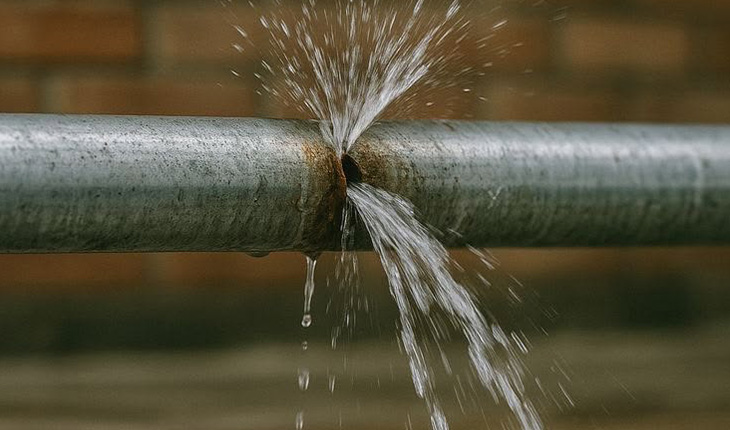
A small leak is never really a small problem. Left alone, it tends to spread: dampness, damaged walls, ceiling stains, mold, ruined finishes. A dripping pipe, a leaking tap, AC drainage that isn’t draining properly, or an unexplained water stain are all worth checking as soon as you notice them, not once they’ve gotten worse.
And in Abu Dhabi specifically, don’t forget the water tank; the municipality has run dedicated awareness campaigns on the importance of regularly cleaning and maintaining drinking water tanks in residential buildings, tying it directly to water quality and household health.
4. Don’t Brush Off Electrical Warning Signs
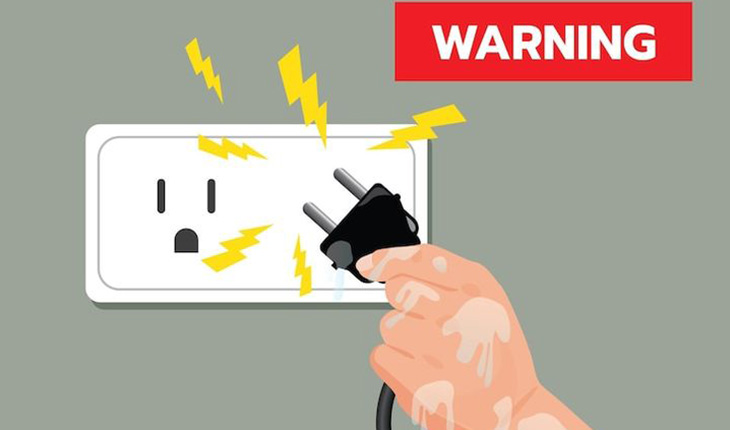
Electrical issues deserve their own level of caution: breakers that trip repeatedly, flickering lights, hot sockets, burning smells, buzzing sounds, damaged cords, sparks, or shocks are never things to leave for later. This isn’t only about avoiding a costly repair; it’s a safety issue first.
Abu Dhabi’s Electrical Safety Code of Practice, maintained by the Abu Dhabi Public Health Centre, is part of why electrical safety is treated as a genuine local priority rather than just good advice, and it’s exactly why routine electrical maintenance belongs on every homeowner’s list, not just an afterthought.
5. Keep Drains and Plumbing Clear
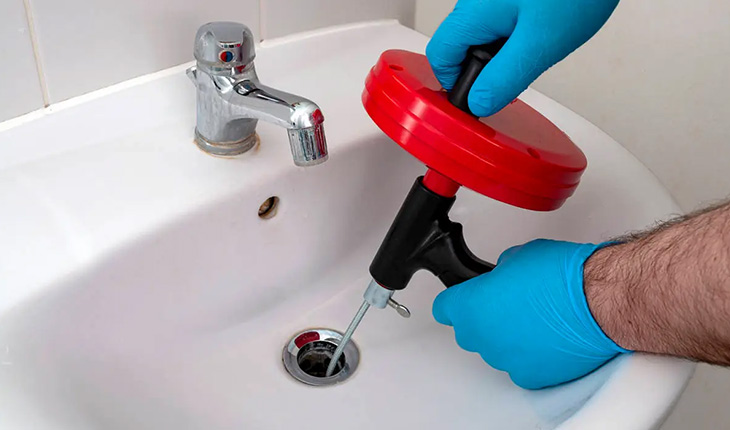
Slow drainage, repeated blockages, odd smells, or water backing up are all signs a drain problem is building, not a one-off. Deal with it early rather than waiting for a full blockage. Skip the harsh DIY chemical fixes too; pipe material and the actual cause of the clog vary, and the wrong remedy can do more harm than good. Regular plumbing maintenance is one of the simplest ways to avoid a drain problem turning into a full pipe replacement.
6. Recheck Your Home After Any Change
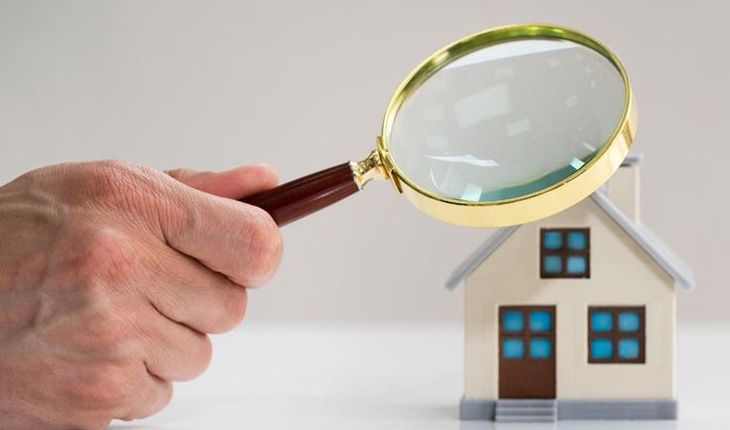
New AC unit, extra appliances, a bathroom renovation, altered plumbing, new kitchen fixtures– any of these can shift how connected systems behave. After a renovation or a new installation, it’s worth confirming everything tied to it is actually working the way it should, rather than assuming it is.
7. Watch the Structure, Not Just the Systems
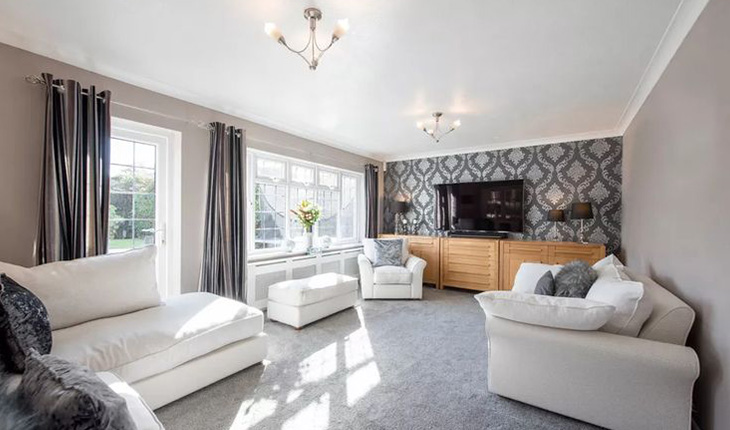
Preventive maintenance isn’t only AC, plumbing, and electricity. Walls, ceilings, doors, windows, roof areas, and exterior finishes all age too. Cracks, water seepage, and worn sealants tend to get worse quietly in the background. Abu Dhabi Municipality has run awareness campaigns specifically on maintaining and restoring aging buildings to protect resident safety, which says a lot about how seriously structural upkeep is taken here.
8. Take Moisture and Discoloration Seriously
A water stain, peeling paint, a damp patch, or a musty smell isn’t automatically “just the paint.” It’s often the visible end of a leak-to-moisture-to-damage chain that started somewhere else. The earlier the source gets found, the smaller the fix stays.
9. Building a Preventive Maintenance Schedule Actually Works
There’s no single frequency that fits every home; it depends on the system, its age, how it’s used, and manufacturer guidance. But a rough rhythm helps: monthly, glance over visible leaks, odd electrical signs, AC performance, drains, and any new staining. Every 3–6 months, get AC, plumbing, and electrical systems properly checked depending on the manufacturer’s recommendations. Annually, a full home inspection covering AC, electrical, plumbing, water tank maintenance, and the exterior structure is worth the time.
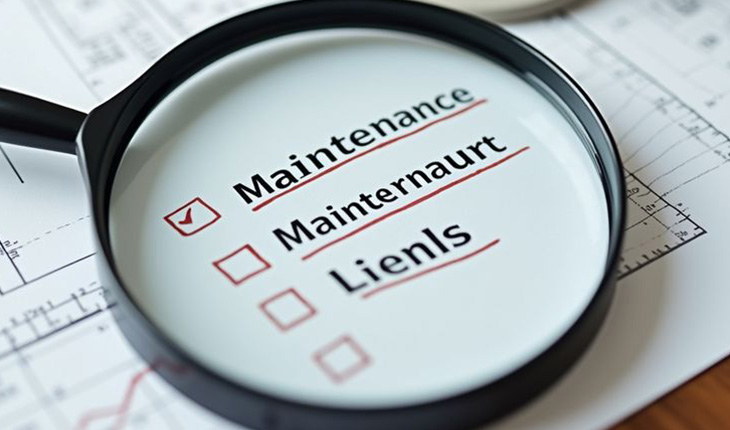
A Practical Home Maintenance Checklist for Abu Dhabi
- AC: cooling performance, filters, drainage, unusual noise or smell
- Plumbing: visible pipes, taps, toilets, slow drains, water stains
- Electrical: hot sockets, damaged cords, flickering lights, repeated breaker trips
- Structure: walls, ceilings, doors, windows, exterior cracks or deterioration
- Water tank: scheduled cleaning, visible damage, related plumbing, maintenance records
Why Preventive Maintenance Actually Saves Money
The difference comes down to timing. With preventive maintenance, a small problem gets caught early and fixed cheaply. With reactive maintenance, that same small problem gets ignored until it fails, and what follows is an emergency repair at a much higher cost. This isn’t just a sales pitch; Abu Dhabi Municipality officially credits preventive maintenance with extending the lifespan of property and equipment, improving operational efficiency, reducing energy use, and lowering the cost of both emergency and major repairs.
A Note for Apartment Owners
If you own an apartment rather than a villa, don’t write off your service charges as dead weight. In shared-ownership properties, these fees go toward managing, operating, and repairing common areas and shared facilities, which protects the building’s overall condition and its long-term asset value, a point the Department of Municipalities and Transport is clear about. Whether it’s villa maintenance with its own private systems to manage, or apartment maintenance where some of that responsibility is shared, the underlying property maintenance logic stays the same: catch it early, or pay more later.
Preventive maintenance won’t stop every single repair from happening, but it consistently turns big, expensive emergencies into small, manageable fixes. If your home hasn’t had a proper check in a while, or you’ve noticed a few of the warning signs above, it’s worth getting ahead of it now rather than later. Selex’s maintenance team covers AC, plumbing, electrical, and general upkeep across Abu Dhabi homes, so you don’t have to figure out which system needs attention on your own; we can just take a look.